
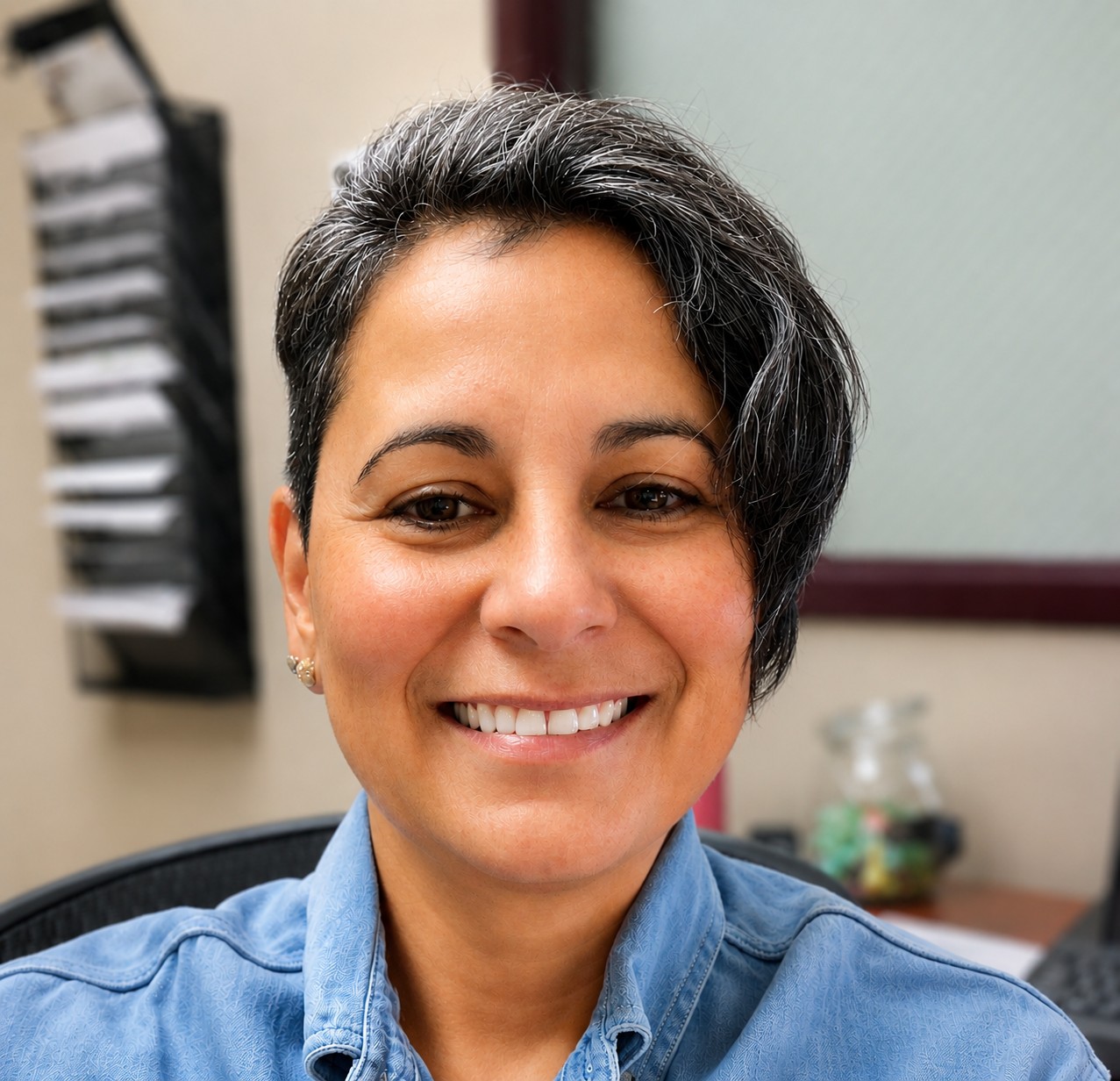
Sharon Banks
Safety Technician
Energy Systems Group
How did you get involved in safety?
I’ve worked in the industry for many years, but my introduction to safety began early in my career at the Chevron/Phillips Petrochemical facility in Puerto Rico. That’s where I joined the fire brigade, which became my first real exposure to safety work. We were essentially the plant’s first line of defense and responded to any emergency on site, so the training was intense, challenging, and incredibly rewarding.
During that time, I also had the opportunity to attend the Texas A&M Firefighting Training Academy, a milestone made possible through the support of one of my mentors, Domingo Torres. He taught me that safety is serious business, but it’s also something you approach with pride, purpose, and even enjoyment. That experience shaped my foundation in safety and set me on the path I’m on today.
What is your most recent safety related work accomplishment or something you’re proud of?
One of the safety-related accomplishments I am most proud of is the role I have played in developing and strengthening the safety culture at the Energy Production Facility at Fort Detrick over the past 15 years. During my time there, I have created approximately 75% of our site’s safety training materials and programs. I took the initiative to develop training that was practical, relevant, and easy for employees to apply in daily operations. I also encouraged other team members and departments to become more involved in safety ownership and training development, which helped build greater engagement across the plant.
Another accomplishment I am especially proud of was creating the “What If?” program. This initiative was designed to encourage operators to think through potential operational and safety scenarios before they happened. The program gave employees access to guidance and real-world solutions from more experienced operators, helping newer team members learn how to respond to challenges that could arise during facility operations. It promoted communication, knowledge sharing, and proactive problem-solving, while also helping improve operational safety and preparedness across the plant.
In addition, I bring prior emergency response experience from working at a petrochemical facility, where safety and preparedness were critical every day. That experience helped shape my proactive approach to hazard recognition, emergency preparedness, and continuous improvement in workplace safety.
What I am most proud of is not just the training itself but helping create an environment where safety is taken seriously and employees feel responsible for protecting themselves and each other.
What has been your favorite aspect of the VPPPA/how has your company benefitted from VPPPA membership?
My favorite aspect of the VPPPA is seeing, year after year, how it strengthens our culture of safety. Over the last 15 years, I’ve watched our management and operations teams demonstrate true dedication, attention to detail, and a consistent commitment to working safely. Through VPPPA involvement, we’ve made meaningful improvements that make our workplace safer and more efficient.
There’s also a real sense of pride among our employees when they say they work at a VPPPA Star site. That recognition motivates us to keep improving and to strive toward achieving Avangard-level excellence. VPPPA has helped reinforce that safety isn’t just a requirement, it’s part of who we are.
What is one of the biggest challenges you and/or your company currently face when it comes to safety at the workplace?
One of our biggest safety challenges is maintaining a strong safety culture amid workforce turnover and varying levels of experience. As seasoned employees retire and newer workers join with less hands on background, we must work harder to ensure safety procedures are clearly understood and consistently followed.
Preventing complacency is another ongoing challenge. When tasks become routine, it’s easy for hazards to be overlooked, so keeping safety awareness high is essential.
Clear communication is also critical. Employees need to feel comfortable speaking up about concerns, and strong knowledge sharing between experienced and newer workers is key to preventing incidents.
From my experience in utility plant operations and emergency response, I’ve seen that the companies who succeed are the ones that make safety part of their everyday culture, not just a policy or an annual training. Programs that encourage knowledge sharing, proactive thinking, and employee involvement have been among the most effective tools for addressing these challenges.
What advice would you give to someone interested in pursuing a career in safety?
My advice for anyone pursuing a career in safety is to understand that the role is often misunderstood. Safety professionals can sometimes be seen as the “bad guys,” but the reality is that our goal is simple: making sure everyone goes home safe at the end of the day. The reward comes from knowing you’ve protected not only yourself, but your coworkers as well.
To deal with those misconceptions, stay patient, communicate clearly, and build trust. Take time to explain the why behind safety rules, listen to employee concerns, and show that you’re there to support them, not to police them. When people see that you’re genuinely committed to their well being, the perception shifts, and you become a partner, not an obstacle.
Tell us a fun fact about yourself.
Even though I’ve spent the last 30 years working in a male‑dominated field, usually with no makeup, no jewelry, and steel‑toed boots I somehow ended up discovering a hidden talent for designing jewelry. So, by day I’m all about safety, and by night I’m out here channeling my inner fashion designer. Who knew PPE and sparkle could coexist? Turns out I can prevent hazards and accessorize them too!